Thomson Reserve: What 1,268 Units in One Address Does to Your Exit
Everyone models the entry price at a mega-launch. Almost nobody models the year six hundred of your neighbours can sell at the same time as you.
The short read
UOL is readying Thomson Reserve, a 1,268-unit development in the Thomson corridor, for launch in 4Q2026, paired with a NoMad Hilton hotel. The scale and the hotel together signal a precinct play rather than a single project, and it will be one of the more consequential launches of this cycle.
The entry question — is the psf fair — is the one everyone will ask at the showflat, and pricing has not been disclosed, so anyone quoting numbers now is speculating. The question worth preparing for is the exit: in a 1,268-unit project, you are eventually selling into a resale market where hundreds of near-identical units can list alongside yours. Stack, layout and unit type stop being taste and start being liquidity.
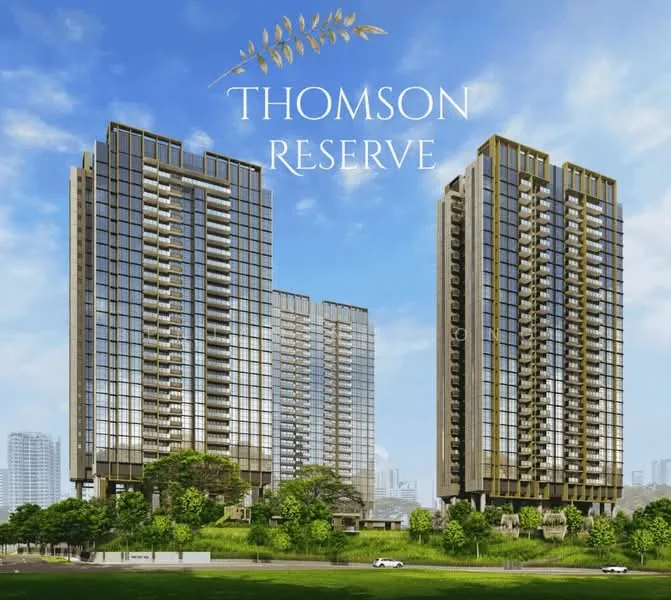
A launch of this size does not come along often, so it is worth thinking about properly rather than in the week the showflat opens.
As EdgeProp reported, UOL is preparing to launch Thomson Reserve — 1,268 units in the Thomson corridor — in the fourth quarter of this year, alongside the debut of a NoMad Hilton hotel. The pairing is the interesting part. A developer building a large residential project and a luxury hotel in the same breath is not simply selling apartments; it is making a bet on what the surrounding precinct becomes.
Pricing has not been released. I have no useful view on psf and neither does anyone else at this stage, so I am going to write about the part you can prepare for.
Scale is a feature at entry and a problem at exit
Here is the thing about a 1,268-unit project that I would want a family to sit with.
At purchase, scale mostly works for you. Big projects justify serious facilities. They get marketed heavily, so the name is known. They generate a lot of transactions, which means valuers have comparables, banks are comfortable, and you are unlikely to be the price discovery for your own building.
At sale, the same number turns around. When you list, you are not competing against the market in general — you are competing against your neighbours, in a building where a large number of units share your layout, your view band and your finish. If a few owners decide to sell in the same quarter, buyers can compare like with like, and the only thing separating your unit from the one twelve floors down is price.
This is the arithmetic that decides how a mega-launch treats you, and it plays out at predictable moments: at completion, when investors who bought to flip come to market together, and again at the points where blocks of owners become free or motivated to sell at once.
Which is why the unit matters more here, not less
In a boutique development of eighty units, almost everything is scarce, and your choice of stack is largely about how you want to live. In a project of 1,268, scarcity has to be manufactured by the choice you make.
The questions I would be asking at the showflat, in order:
How many units share my exact configuration? Not the unit type — the configuration. Same size, same layout, same orientation, same view. That number is your future competition, and the sales team can tell you.
What is genuinely scarce in this project? In most large developments a small number of things are: the largest layouts, the units with an unrepeatable outlook, the stacks that avoid west sun and the ones set furthest from the road and the entrance ramp. These are the units that keep a price when the building is full of sellers.
What does the unit mix say about who lives here? A project heavy in one- and two-bedders will have a large rental population and a faster turnover of neighbours. A project with a real weighting of three- and four-bedders holds families, who stay longer and sell less often. Neither is wrong, but they produce different buildings to live in and different resale markets to sell into.
Where is my unit relative to the hotel? Precinct activity is good for an address and mixed for a specific apartment. Proximity to a hotel means arrivals, service vehicles and evening movement. Some stacks will benefit from the buzz. Some will merely absorb it.
The tranche mechanic, plainly
Large launches are released in phases. The developer opens a portion of the stock, watches take-up, and prices later tranches against what happened.
For you this means two things. Early phases usually carry the better pricing and the worse selection pressure — you are choosing quickly from a limited release. Later phases give you a fuller picture of the project and of real absorption, at prices that have usually moved up if the early release went well.
There is no universally correct side of that trade. What is correct is knowing which one you are making. The failure I see is families who go to a preview intending to look, then buy under time pressure a unit they would not have chosen with a full floor plate in front of them.
The question I would ask before any of it
Regardless of project, my test for a new launch is the same, and it is about the person who eventually buys from you.
In fifteen years, who is the buyer for this unit, and what will they be comparing it against? For Thomson Reserve, that buyer is most likely another domestic upgrader — a family moving up from an HDB flat or across from an older condominium nearby. They will be comparing your unit against the other units in your building, and against whatever else has been built in the corridor in the intervening years.
That framing tends to resolve the choices. It pushes you towards the layouts families want rather than the ones that show well in a showflat. It makes you cautious about paying a premium for a precinct story that has not been delivered yet, because your future buyer will be paying for the precinct as it actually turned out. And it makes the scarcity question central, because in a building of this size scarcity is the whole of your negotiating position on the day you sell.
What to do between now and 4Q
Nothing urgent, which is the advantage of writing about a launch months ahead of it.
Get your financing position confirmed rather than estimated, because preview timelines do not accommodate people still working out what they can borrow. Walk the corridor at the hours you would actually live there — a weekday evening, a Saturday morning — and form your own view of the location before a sales gallery forms it for you. If you own nearby and were thinking of selling within the next couple of years, note that a large new project changes what your buyers can choose from, and think about sequencing.
And when pricing does arrive, resist the first instinct to compare it against the last record in some other district. The only comparison that matters is against what your household can carry and what your exit looks like.
If you want to work through the stack-level questions on a specific budget before the previews start, that is a conversation best had now, while there is still time to be deliberate about it.
The numbers
| Project | Thomson Reserve, by UOL Group |
| Scale | 1,268 residential units |
| Launch window | 4Q2026 |
| Precinct anchor | NoMad Hilton hotel debut alongside |
| Location | Thomson corridor |
| Pricing | Not disclosed — treat all psf figures circulating before launch as speculation |
Questions families ask
Is a mega development a good investment?
Scale cuts both ways and the trade is fairly consistent. In its favour: bigger projects support better facilities, stronger name recognition, and a deeper pool of transactions that makes valuation easier and financing smoother. Against it: when you sell, you are competing with a large number of near-identical units, and if several owners list at once your unit's distinctiveness is the only thing keeping it from being a price comparison. Neither wins automatically. The unit you pick inside the project matters far more in a large development than in a small one.
How does a 1,268-unit launch affect nearby property prices?
Usually through supply timing rather than the launch price. A large injection of new stock into one sub-market changes the choice set for renters and buyers there for years — first when the project launches, then again at completion, and most sharply around the point where a wave of owners becomes free to sell. Existing owners nearby are competing against a newer building with newer facilities. That is a real effect, and it is spread over a long period rather than delivered on launch day.
Should I buy at the VIP preview?
Preview pricing exists to build early momentum, and the discount is real — but it is offered on the developer's schedule, not yours, and the units released early are chosen by the developer too. Go if you have already done the work: your financing confirmed, your target stacks identified, your walk-away price written down before you arrive. Go to discover what you think, and you will decide under the most pressure you will face in the whole process.
Does a hotel in the development add value to the condominium?
It adds precinct activity, which over time supports the food, retail and general liveability that make an address desirable — genuinely useful for a long hold. What it does not do is add a fixed premium to your unit. Be careful of pricing that asks you to pay upfront for a precinct effect that has not happened yet. You want to buy before the maturity, not pay for it in advance.
Is the Thomson corridor a good place to buy?
It is well connected and well established, with mature amenities and the Thomson-East Coast Line, and it draws a steady domestic buyer pool of upgraders rather than trophy-hunters. That is a healthy foundation for a family home. It is not a prime-district substitute, and buying it as one is a mismatch of expectations rather than a bad address.
Reporting referenced: EdgeProp. Analysis and views are Adrian Lim's own.
Talking it through beats reading about it.
If this story touches a decision your family is weighing, send Adrian a message. A first conversation costs nothing and commits you to nothing.
WhatsApp Adrian · +65 8183 2333More from Insights
One Marina Gardens at $3,290 psf: What a Record High Really Signals
A new print at the top of District 1 is real news. It is also, for most Singapore families, scenery — and knowing the difference is worth more than the headline.

Singapore's New Defect Rules: What They Change for New-Launch Buyers
The headline is the enforcement. The quieter shift is what a developer's track record now means when your family is choosing.
The S$2.93 Million Leonie Gardens Profit Took 28 Years. That's the Story.
Everyone is quoting the profit. Almost nobody is doing the division.