A Forged NRIC Nearly Cost a Katong Family S$2.9 Million. Here's the Real Lesson
The headline reads as a banking failure. For families sitting on a fully paid landed home, it reads as something closer to home — a question about who is watching your title.
The short read
An imposter used a forged NRIC to seek a S$2.9 million loan against a Katong landed home the owner had fully paid off, engaging one law firm to lodge a caveat and another to obtain a replacement title deed. The owner only found out when a letter from the Singapore Land Authority arrived. The caveat has been cancelled and police, SLA and ACRA are investigating.
Fully paid landed homes are the natural target for this kind of fraud: high value, no bank watching the title, and owners who often go years without looking at their own records. The protection is unglamorous — watch your SLA mail, check your title periodically, keep a credit alert standing, and know where your original documents live.
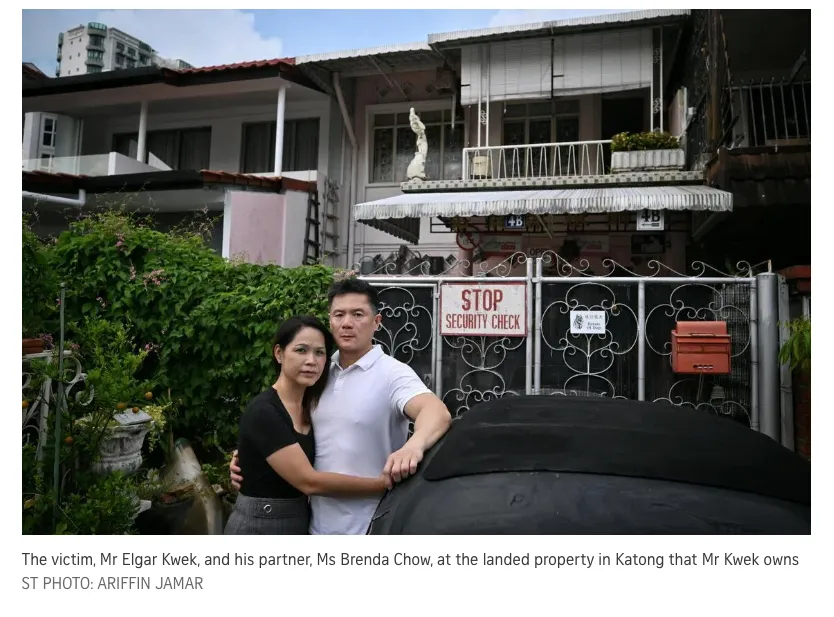
It was the day after April Fool’s when Mr Elgar Kwek, a 49-year-old freelance violinist, opened a letter from the Singapore Land Authority and learnt that a caveat had been lodged against his landed home in Katong — a property he owns jointly with his mother, bought in 2008, mortgage fully paid off in 2019.
As The Straits Times reported, an imposter armed with a forged NRIC and what may have been a forged notice of assessment — claiming an income of $170,000 in 2025 from two companies fraudulently registered in Mr Kwek’s name — had approached a credit company for a S$2.9 million loan, offering the Katong house as collateral. The imposter had engaged one law firm to lodge the caveat and a second law firm to obtain a replacement title deed from SLA. In Mr Kwek’s own words: “They were just one small step away from getting the $2.9 million loan and I’m very sure they would have run away with that money.”
He was not the only target. A second victim, linked to the same two shell companies, had her identity used in an attempt to secure more than S$2 million from a foreign bank. Both made police reports; police, SLA and ACRA are investigating. The caveat has been cancelled, and Mr Kwek keeps his home.
That is the news. Now the part that matters for the families I work with.
The headline says banking failure. I read it differently
A family came to me the morning after they read this story. They own a landed home in the east, fully paid, and they have been thinking quietly about listing it next year. Their question was not about the fraud. It was about what to do before they list.
That is the right question, because the natural reading of this story — how could the law firms miss an obviously fake NRIC, how could companies be registered in a stranger’s name — points all the blame downstream, at the checkpoints. The checkpoints deserve scrutiny. But across seventeen years of working with landed owners, the pattern I have seen is that fraud like this rarely arrives cold. It arrives months, sometimes years, after documents were handled carelessly during an earlier transaction — a refinancing, a rental, a renovation quote, an old NRIC photocopy that never came back. The lesson sits upstream of the loan desk. It sits at the family’s own kitchen table.
The mortgage you celebrated discharging was also the last pair of eyes watching your title.
Consider what made Mr Kwek’s home the perfect target, because the same description fits thousands of homes across Singapore’s landed estates.
Why are fully paid landed homes the target?
Three things, and they compound.
First, the value is concentrated and obvious. A landed home in Katong is worth millions, and anyone can see it from the street. There is no strata roll to parse, no management office in the way. One title, one prize.
Second, there is no institutional watcher left. While a bank holds a charge over a property, it has a commercial reason to notice anything odd near the title. Mr Kwek paid off his mortgage in 2019. From that day, the only person with a standing interest in monitoring that title was Mr Kwek himself — and like most owners, he had no reason to look. Fraudsters understand this vacuum better than owners do.
Third, landed owners hold their homes for decades. That is normally the strength of landed as a family asset — I have written elsewhere about why time in the market does the quiet work. But a twenty-year hold also means twenty years in which the paperwork is never touched, the registered address may go stale, and a letter from SLA is the only tripwire between an owner and a stranger borrowing millions against the house. Mr Kwek’s tripwire worked. It is worth asking how many would open that letter the same day.
How did a forged NRIC get so far?
This is the part of the report worth reading slowly, because it maps the actual checkpoints that stand between a fraudster and your title — and how each one was approached.
| Step | What the imposter did | The checkpoint |
|---|---|---|
| Identity | Forged NRIC with a stranger’s photo, plus a suspect notice of assessment | Visual inspection by the firms engaged |
| Income story | Two companies registered in the victim’s name (2023 and 2025) | ACRA registration, routed past Singpass |
| The title | One law firm lodged a caveat; another sought a replacement title deed | SLA, acting on statutory declarations and certificates of correctness |
| The money | S$2.9 million loan application at a credit company | Lender verification — where it finally stopped |
Two systemic details deserve attention. ACRA told ST that incorporating a company through Bizfile requires Singpass with facial verification — but registered corporate service providers can incorporate companies on a client’s behalf without it, relying instead on their own due diligence and written director consent. That is the gap through which two companies appeared in Mr Kwek’s name without him ever finding out. And at SLA, applications for caveats and replacement titles are lodged by law firms, supported by statutory declarations and certificates of correctness under the Land Titles Act — a system built on the assumption that the professionals lodging documents have verified who they act for. Mr Kwek’s question — “How can the law firms not do their due diligence – the NRIC is obviously fake?” — is now a matter for the investigators. Both firms declined comment.
The honest takeaway is not that the system failed everywhere. The credit company’s verification held, and SLA’s letter did exactly its job. The takeaway is that every layer before the final one was navigated with paper, and the owner was the only alarm that could not be forged.
The detail that should change how you rent out your home
One more thread from the report, easy to miss. On 1 April, a group booked Mr Kwek’s home for a three-hour photo shoot — he rents the house out for shoots and filming, its rooms filled with fifteen years of collected antiques. During the shoot, his partner Ms Brenda Chow noticed a woman standing apart from the crew, taking measurements of the property and writing them down. Challenged, the woman claimed to be a property valuer hired for the job. The renter later told ST he knew nothing about her.
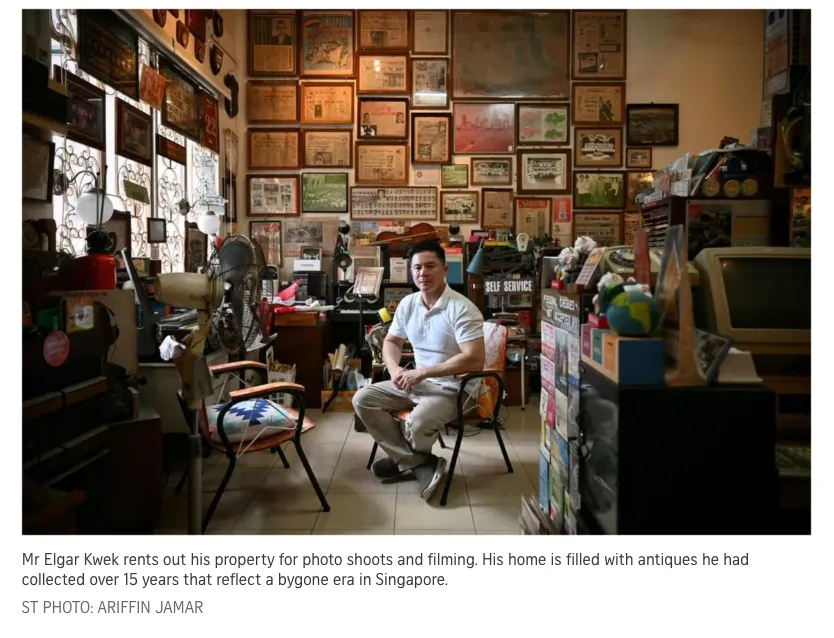
A loan against a property needs a valuation. Someone, it appears, was inside the house doing the groundwork the day before the SLA letter arrived. This is what I mean when I say fraud arrives warm, not cold. Access to your home — through rentals, viewings, contractors, agents — is part of your security perimeter, and most owners treat it as hospitality. You do not need to stop renting out your home or hosting viewings. You need to know who is in the house and why, the way Ms Chow did. Her question to a stranger with a measuring tape is quite possibly why this story has a good ending.
What can landed owners actually do?
The genuinely useful protections are unglamorous, and none of them require living in fear.
Watch the mail from SLA like it is money. It is. SLA writes to registered owners when instruments touch their title. Keep your registered address current — the forged NRIC in this case used Mr Kwek’s previous address, which tells you how much stale records help the other side. Open every SLA letter the day it arrives.
Look at your own title occasionally. Owners can review their property records through SLA’s channels, and a conveyancing lawyer can run a title search in minutes. If nobody on your bench — estate lawyer, banker — has looked at the title in the past six months, that is a task worth assigning, especially in the year before a sale.
Put a standing alert with Credit Bureau Singapore in the family’s name. A loan application in your name should surface with you early, not eighteen months later in a courtroom.
Know where the originals live. Where are the physical title documents, and who else holds copies? After a mortgage is discharged, families are often genuinely unsure. That uncertainty is the fraudster’s working capital — the second law firm in this case was engaged precisely to conjure a replacement title deed.
A fully paid landed home is the most valuable thing most families own that nobody is paid to watch.
And to be clear about lanes: identity protection, credit monitoring and the police report, if it ever comes to that, belong to lawyers, banks and CBS. Mine is narrower. It is making sure the bench — lawyer, banker, adviser — is already in the room before a sale, not assembled after a fraud.
Before the sale, not during one
Most of the families I work with are somewhere on the same arc as the couple who called me that morning: landed home, fully paid, parents ageing, children deciding, a sale or a restructuring quietly forming two or three years out. For that family, this story is not really about crime. It is about sequence.
A title problem discovered during a transaction is expensive in the way that matters most at that stage — time. A caveat you did not expect, a missing original document, a company registered in your name that a buyer’s lawyer surfaces mid-conveyance: any of these can stall a sale during the exact six-week window when you are also negotiating price, timelines and the next home. The same problem found eighteen months earlier is an errand.
So if you are sitting on a fully paid landed home and thinking, even quietly, about the next chapter — the work here is not urgent, and that is precisely why it is worth starting now. Check the title. Place the alert. Find the originals. Then, when the family is ready to move, the paperwork is the one thing that will not be.
The numbers
| Loan attempted | S$2.9 million from a credit company |
| Collateral targeted | Landed home in Katong, jointly owned with the victim's mother |
| Ownership | Bought 2008; mortgage fully repaid in 2019 |
| Method | Forged NRIC and notice of assessment, lodged through two law firms |
| Discovered | SLA letter showing a caveat, around 2 April 2026 |
| Second victim | Loan of more than S$2 million attempted at a foreign bank |
| Status | Caveat cancelled; police, SLA and ACRA investigating |
Questions families ask
How would I know if someone lodged a caveat against my property in Singapore?
SLA writes to the registered owner when instruments like caveats are lodged, which is exactly how the Katong victim found out. The weakness is that the letter goes to the address on record, and it arrives after the fact. That is why I tell owners to keep their registered address current, open every SLA letter the day it arrives, and run a title search through SLA's records every year or so rather than waiting for the system to warn them.
Why do fraudsters target fully paid landed properties?
Because the mortgage was the last pair of eyes on the title. While a bank holds a charge over your home, it has a commercial reason to notice anything strange. Once you discharge the loan, the property is high in value and low in supervision — often for a decade or more. A fully paid landed home in a district like Katong is worth millions and, in many families, nobody has looked at the paperwork since the last transaction.
What should I do if I receive an unexpected letter from SLA?
Open it immediately and take it seriously, even if it looks procedural. If it mentions a caveat, a replacement title or any application you did not make, call SLA, make a police report, and get a conveyancing lawyer to run a title search the same week. In the Katong case the victim acted within days and kept his home. Speed mattered.
How can families protect the title of a landed home before selling?
Three quiet pieces of work. Know where the original title documents physically live and who holds copies. Have your lawyer look at the title if nobody has in the past six months. And put a standing alert in place with Credit Bureau Singapore so a loan application in your name surfaces early. None of this is urgent, which is exactly why it gets skipped — do it before a sale, not during one.
Can someone really take a loan against my property without my knowledge?
The Katong case shows an imposter can get uncomfortably far — a forged NRIC and notice of assessment were enough to engage two law firms and reach the final step of a S$2.9 million loan. What stopped it was the owner reading an SLA letter and responding fast. The system's paper trail works, but only for owners who are watching it.
Reporting referenced: The Straits Times. Analysis and views are Adrian Lim's own.
Talking it through beats reading about it.
If this story touches a decision your family is weighing, send Adrian a message. A first conversation costs nothing and commits you to nothing.
WhatsApp Adrian · +65 8183 2333More from Insights
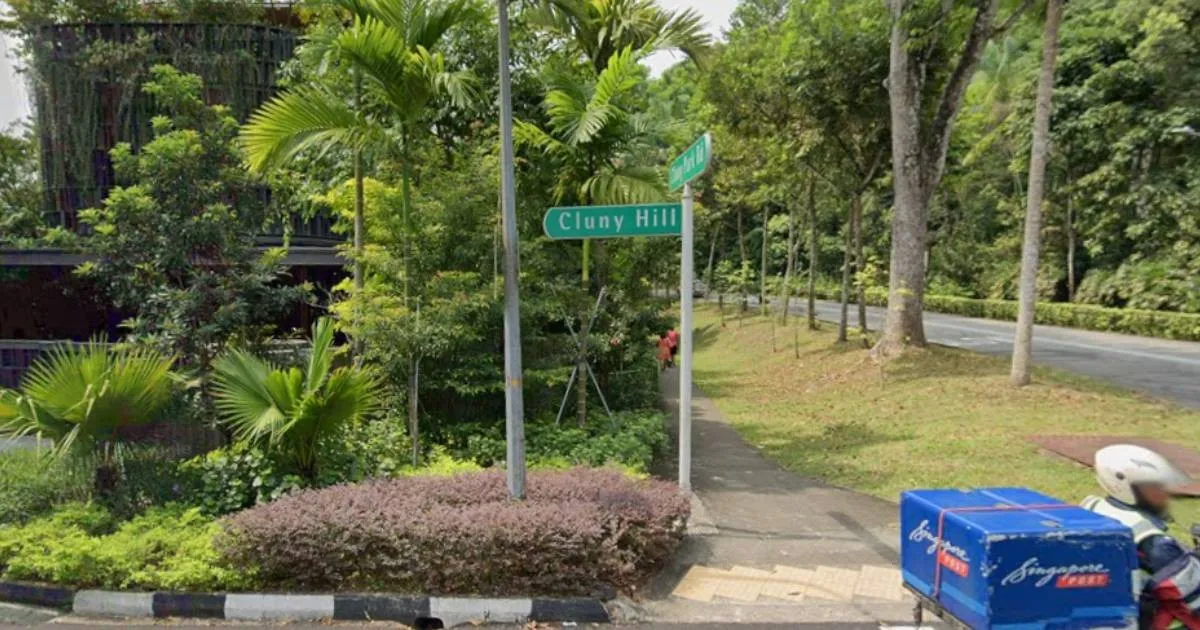
The S$85 Million Cluny Hill Sale, and What It Doesn't Mean for You
An S$85 million bungalow sale finally surfaces a year after the deal was done. The quietness is the story.
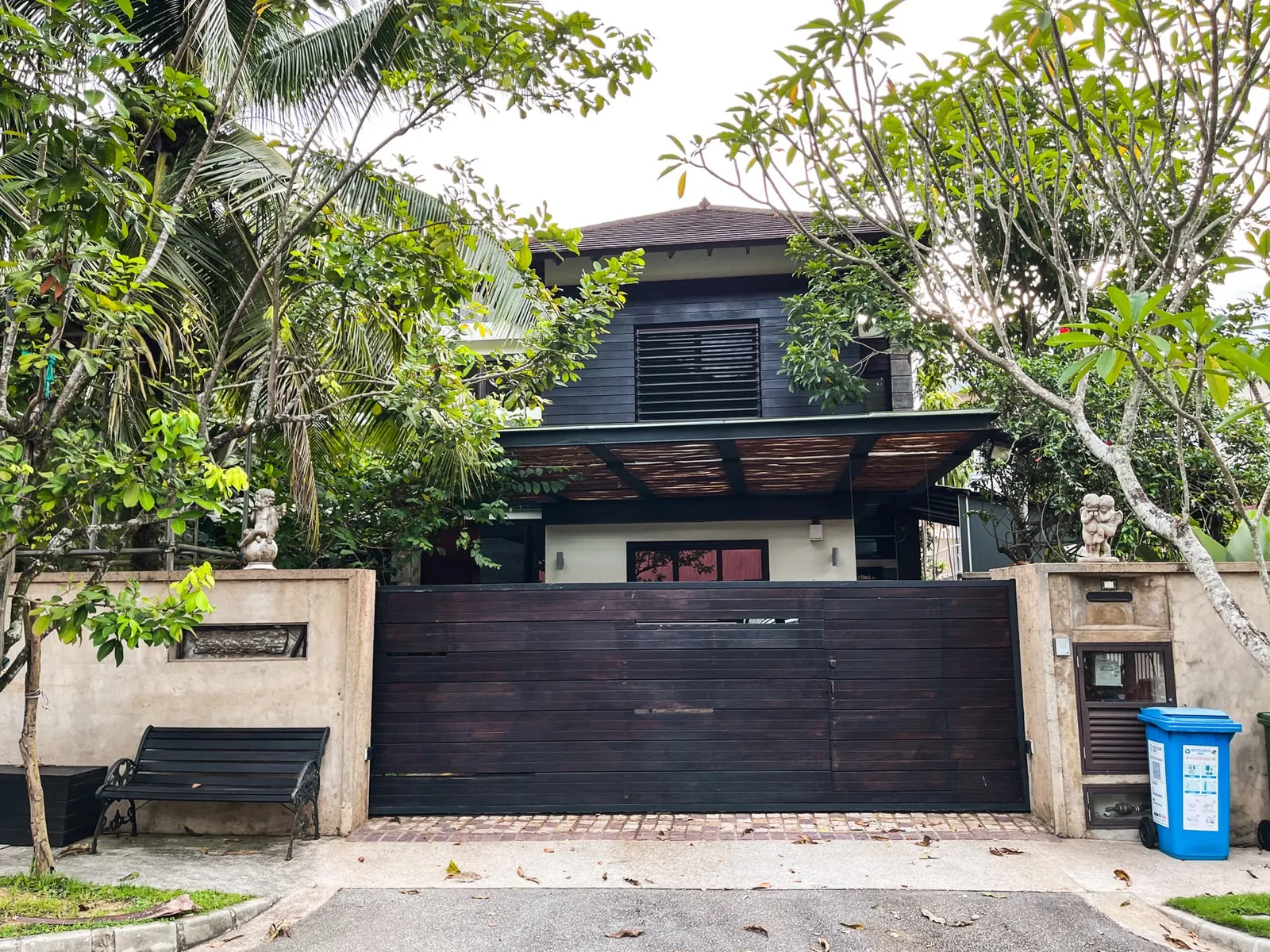
The S$880,000 landed home: what the price is actually telling you
The number is real. The number is also the easy part of the story.

Singapore's New Defect Rules: What They Change for New-Launch Buyers
The headline is the enforcement. The quieter shift is what a developer's track record now means when your family is choosing.