The Cheapest Room in the House: Cooling, Maintenance Fees and What You Actually Pay
Everyone negotiates the purchase price once. Almost nobody examines the bill that arrives every month for the next three decades.
The short read
The Straits Times reports on cooling approaches that reduce the energy a building needs for cooling — with reductions of up to 48 per cent cited. Treat that as a ceiling under favourable conditions rather than a number to expect: it depends on the baseline, the building type and how the space is actually used.
The reason it matters has little to do with technology and everything to do with arithmetic. Cooling is one of the largest recurring costs in a Singapore condominium, sitting in both your utility bill and the building's maintenance fund. Buyers negotiate the purchase price hard, once, and then accept the monthly costs without examination for thirty years. Over a long hold the second number can rival the concession you fought for on the first.
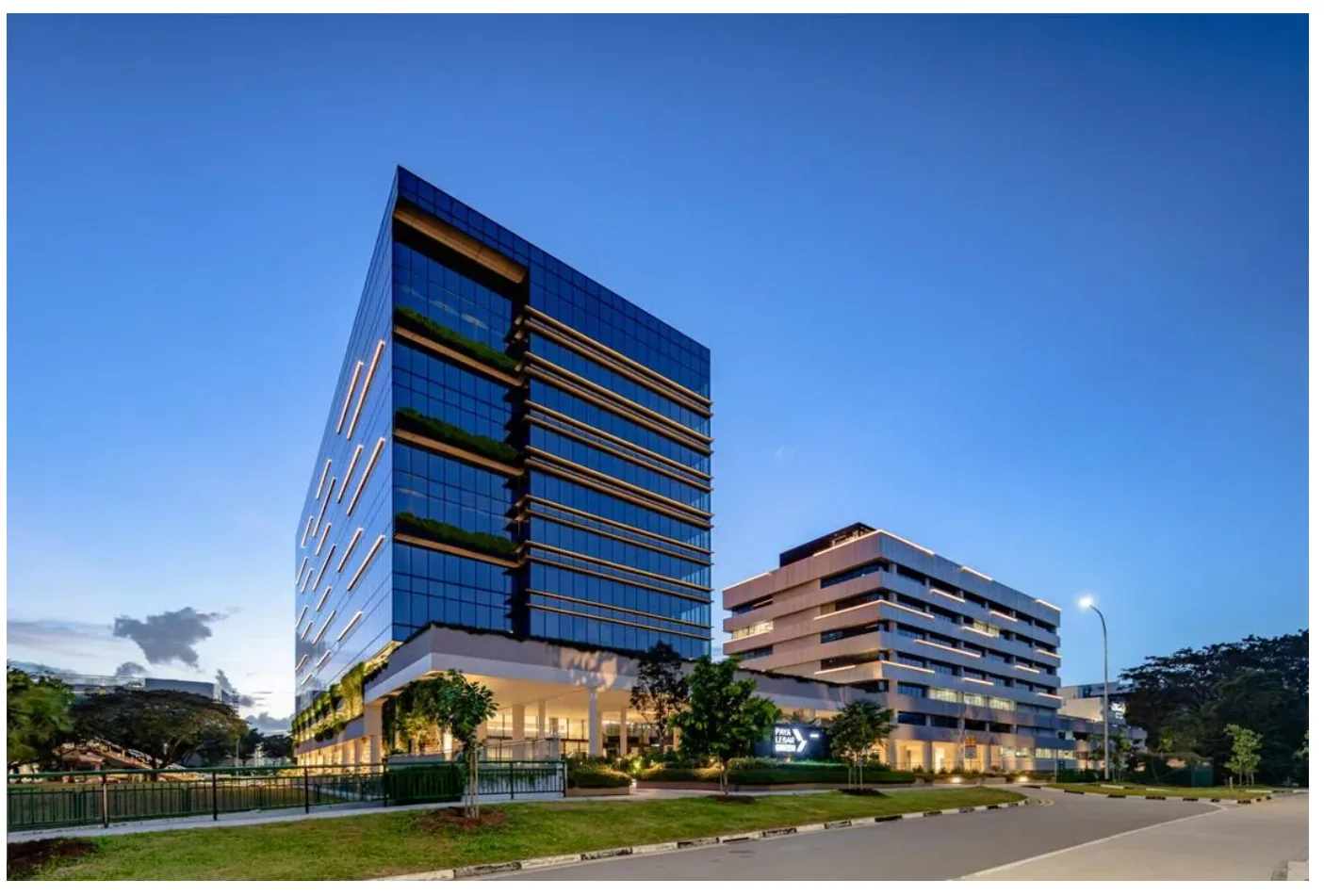
There is a number in every property transaction that gets negotiated hard, and another that almost nobody examines. The first is the price. The second is what the place costs to run, every month, for as long as you own it.
I thought about that reading The Straits Times on cooling technologies that reduce how much energy a building needs to stay comfortable — with reductions of up to 48 per cent cited for the approaches discussed.
Before going further, a word on that figure. “Up to” numbers are ceilings measured under favourable conditions, and what they mean in practice depends on the baseline being improved on, the type of building, and how people actually use the space. I would not repeat it to a client as a saving they should expect. What I take from it is directional and, I think, more useful than the number itself: the amount of energy a building needs for cooling is not fixed, and it is becoming a design decision rather than a given.
In a country where cooling runs most of the year, that is worth understanding.
The cost you agreed to without reading it
Here is the arithmetic that changed how I talk to buyers about this.
When a family buys a condominium, they will spend weeks negotiating the purchase price and, if they do well, secure a concession they feel good about. Then they will move in and begin paying a monthly maintenance fee and a monthly utility bill, both of which they were told about once, in passing, and neither of which they examined.
Run that forward across a long hold. The monthly costs are recurring, they rise over time, and they are paid out of after-tax income rather than borrowed money. Over the sort of period my clients actually hold property — ten, fifteen, twenty years — the total is not a rounding error against the price. For a family stretching to afford the purchase, the running cost is frequently what determines whether the home stays comfortable or becomes a source of pressure.
Cooling sits in the middle of both numbers. It is in your own bill, through the air-conditioning you run in your own unit. And it is in the maintenance fee, through the energy consumed by shared plant and common areas. Anything that structurally lowers how much cooling a building needs is lowering a cost you will pay every month, without you having to change how you live.
Why this is becoming a real differentiator
Two forces are pushing in the same direction.
The first is regulatory. Green Mark and the wider BCA sustainability framework already reward buildings that perform better on energy, which means developers have an incentive to adopt these approaches beyond the marketing value.
The second is simply cost. Energy prices are not a settled matter over a thirty-year horizon, and a building designed to need less of it has an advantage that compounds. This is the part I find most relevant to how I advise families: a building’s efficiency is one of the few attributes that gets more valuable as time passes and costs rise, rather than less.
Which brings me to the future-buyer test I apply to everything. In fifteen years, someone buys your unit. Will they care that the building was designed to cool efficiently? I think the honest answer is that they will care more than buyers do today, and that the direction of travel is one-way. Nobody in 2041 is going to pay a premium for a building that needs more energy to keep cool.
The questions I would actually ask
If you are looking at a new launch, this is where the abstract becomes practical.
What is the projected maintenance fee, and what is it based on? Get the number per share value and ask what assumptions sit behind it. Developer projections are estimates, and they are made by a party with an interest in the estimate being attractive.
What happens when the management corporation takes over? The handover from the developer’s initial management period is where projected fees sometimes meet reality. Ask what the expected trajectory is.
Which way does my unit face? This is the single largest determinant of your own cooling costs, and it is entirely within your control at the point of choosing. A unit taking direct western sun through the afternoon will cost more to keep comfortable every day of its life than one that does not. No building system offsets a bad orientation.
What cooling system does the development use, and how is common-area load managed? You do not need to become an engineer. You need to establish whether anyone has thought about it, and a sales team that cannot answer has told you something.
If you are looking at an older development, invert all of this. Ask the age of the major plant, ask the state of the sinking fund, ask whether any large replacement is anticipated. Ageing chillers and pumps are eventually replaced, and the bill arrives as a fee increase or a special levy. That is a foreseeable cost, and foreseeable costs should be priced into what you pay.
Where I would not get carried away
Two cautions.
Do not pay a large premium today for efficiency you will not hold long enough to collect. The saving is real and it is gradual. Over fifteen years it compounds usefully. Over three it does not, and paying a meaningful premium for it on a short horizon is simply buying a story.
And do not confuse certification with outcome. A plaque in the lobby is not the same as a maintenance fee that has stayed stable for five years. Where you can see actual figures — historical fees, actual consumption, the fund balance — those beat any label.
The wider point
Most of what I write about here concerns price: what a record means, what a launch does to a corridor, how to think about an exit. This one is about the other half of affordability, the half that never makes headlines because it arrives in small monthly instalments rather than in a single number on a headline.
Families are hurt by monthly obligations far more often than by purchase prices. If a building’s design lowers one of the larger recurring costs of living there, that is worth understanding properly — not as a green feature, but as part of what the home actually costs you.
If you are weighing two developments and want to compare them on total cost of ownership rather than psf alone, that is a genuinely useful exercise, and it is one very few buyers do before they sign.
The numbers
| Reported saving | Up to 48% less cooling energy, per The Straits Times |
| Why it matters here | Cooling is a dominant driver of both household utility bills and building operating costs |
| Where it shows up | Your monthly utilities, and the maintenance fee that funds shared plant |
| Regulatory tailwind | Green Mark and BCA frameworks already reward efficient performance |
| Caveat | "Up to" figures depend on baseline, building type and usage — ask what was measured |
Questions families ask
What drives condo maintenance fees in Singapore?
Broadly: the shared plant and how much energy it consumes, the size and staffing of the facilities, the age and condition of the building, and how many units share the bill. Cooling-related plant and common-area energy are a significant part of the recurring cost, which is why building efficiency is not an abstract green concern — it is one of the inputs to the number you pay monthly, for as long as you own.
Do green buildings have lower maintenance fees?
Often lower energy costs, which is one input among several — a highly efficient building with an enormous facilities deck and a low unit count can still have high fees, because the fee is total cost divided by the people paying it. Ask for the actual figure and its history rather than inferring it from a certification. A building that has held its fee steady over five years is telling you something a plaque cannot.
Is it worth paying more for an energy-efficient home?
It depends entirely on the premium and the hold. If efficiency is priced in at a modest amount and you intend to hold for fifteen years, the recurring saving compounds quietly in your favour and you also own something a future buyer is more likely to want, not less. If the premium is large and your horizon is short, you are paying today for savings you will not be around to collect.
What should I ask about cooling before buying a new launch?
Ask what cooling system the development uses and what the expected common-area energy load is. Ask what the projected maintenance fee is per share value, and what it is based on. Ask which stacks get afternoon western sun, because orientation determines your own cooling bill far more than any brochure feature. And ask what happens to the fee once the developer's initial period ends and the management corporation takes over — that transition is where a comfortable number sometimes becomes a real one.
Does this matter for older condominiums?
It matters most there, in the opposite direction. Older buildings with ageing plant tend to face rising energy costs and eventual replacement bills, which arrive as fee increases or special levies. If you are buying into an older development, the sinking fund and the age of the major plant tell you more about your next decade of costs than the lobby does.
Reporting referenced: The Straits Times. Analysis and views are Adrian Lim's own.
Talking it through beats reading about it.
If this story touches a decision your family is weighing, send Adrian a message. A first conversation costs nothing and commits you to nothing.
WhatsApp Adrian · +65 8183 2333More from Insights
Singapore's New Defect Rules: What They Change for New-Launch Buyers
The headline is the enforcement. The quieter shift is what a developer's track record now means when your family is choosing.
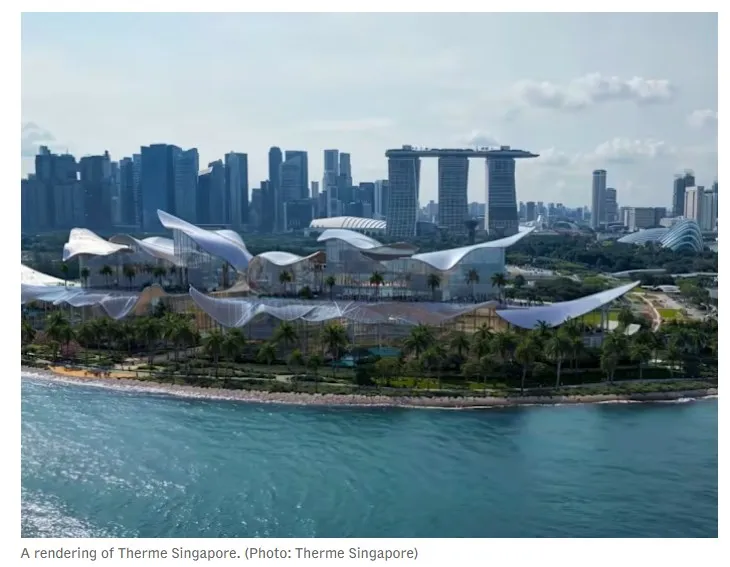
Therme at Marina South: What a 2030 Wellness Hub Does to Home Values
A 720,000 sq ft wellness destination is a real catalyst for Marina South. It is also five years away, and that gap is where families get the decision wrong.
The S$880,000 landed home: what the price is actually telling you
The number is real. The number is also the easy part of the story.