A New Housing Estate Beside Marsiling Park: What It Means for Families in the North
A forested plot zoned for homes since 1998 is finally being planned. The trade-off with nature is real, and so are the changes coming to the north around it.
The short read
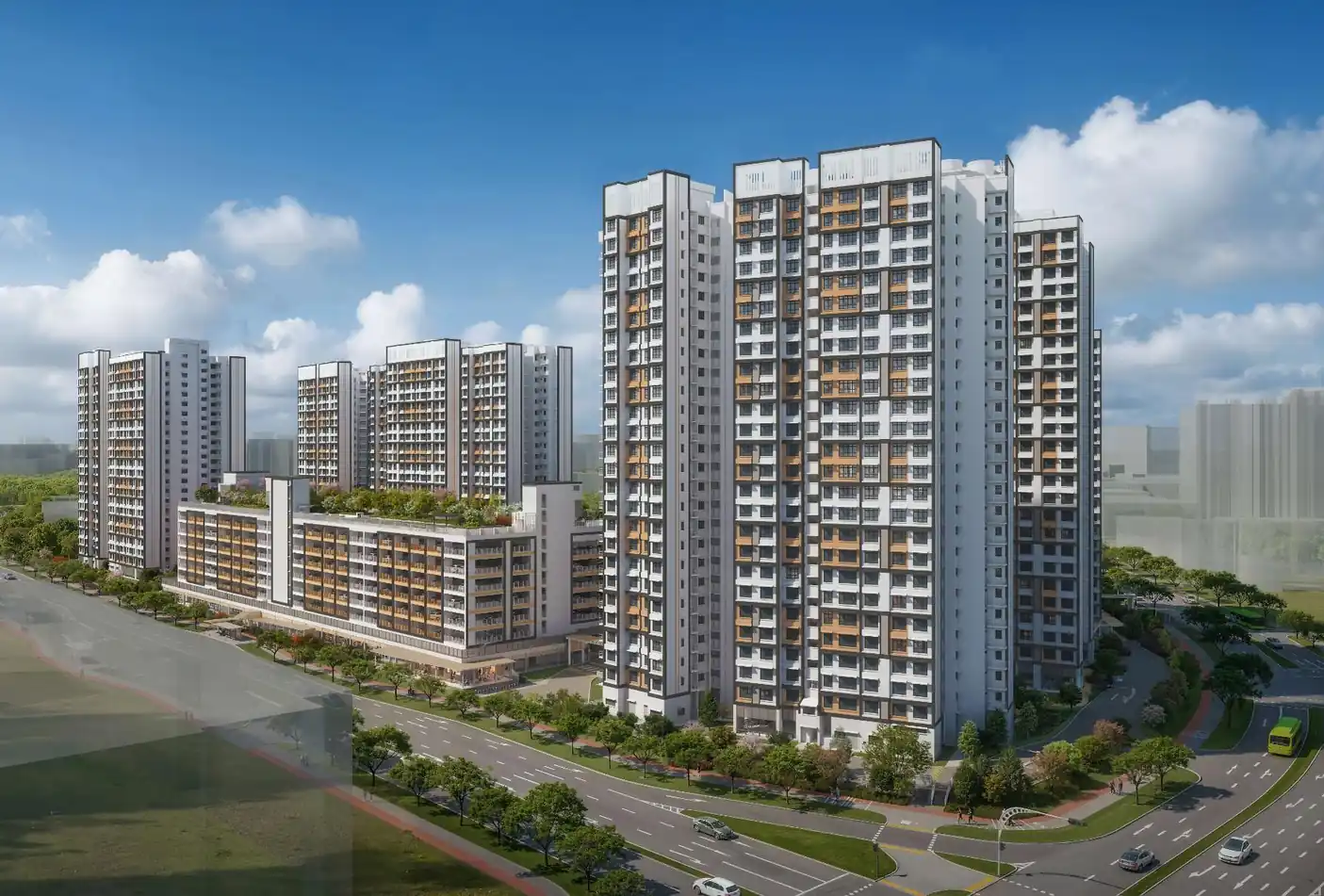
A partly forested plot in Woodlands next to Marsiling Park could make way for housing in the coming years. HDB said on Nov 10 there are no plans to set any part of it aside for conservation, after an Aecom environmental study found about 46% of the wider 14.4ha study area was secondary forest. The 1.12ha of high-value mangroves in Marsiling Park sit outside the development area. The public can give feedback until Dec 7.
For families, this is a long-term supply story, not a near-term one. No unit numbers, flat types or launch dates have been given for this site. It sits in a part of the north that is already changing, with the RTS Link to Johor Bahru expected to open in February 2027 and a cycling network in Woodlands and Sembawang that now spans 42km. Owners nearby should plan around more homes in the area over time, and buyers should not put their plans on hold for flats that have not been announced.
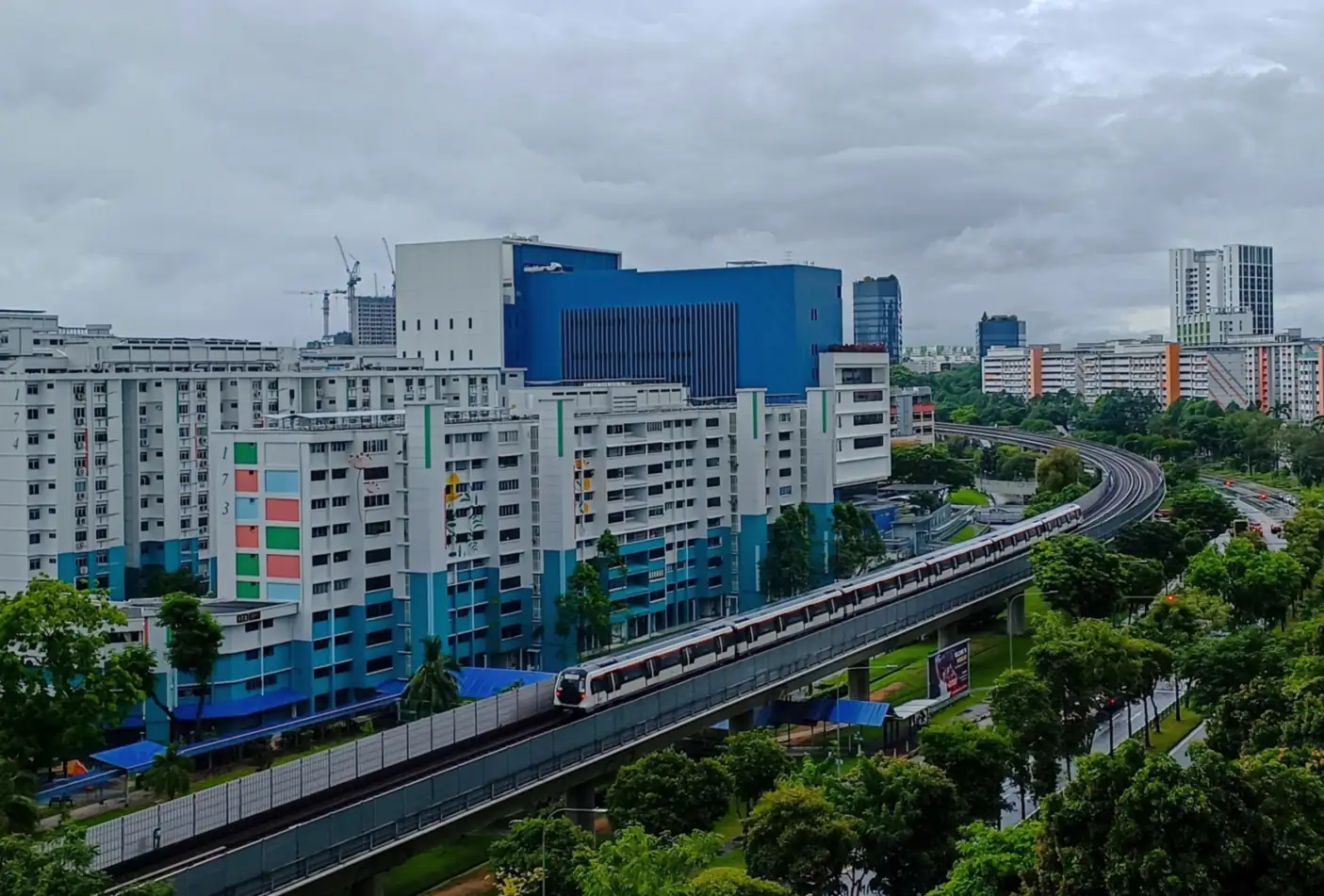
A piece of Woodlands that has been marked for homes since 1998 is now moving towards being built on. And the forest on it will not be kept.
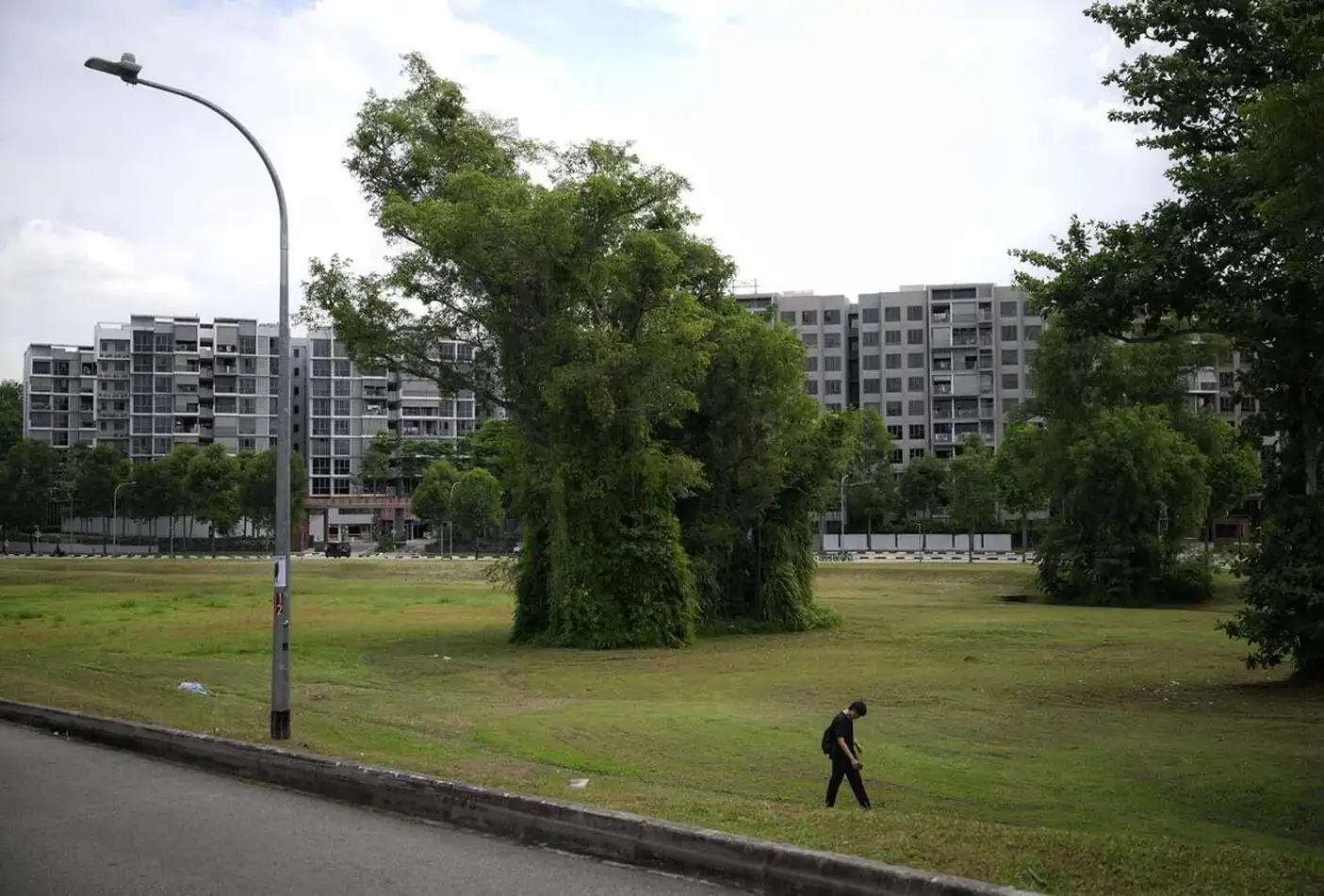
As The Straits Times reported, a partly forested plot of land next to Marsiling Park could make way for housing developments in the coming years. On Nov 10, the Housing Board said there are no plans to set aside any part of the land for conservation. That followed an environmental study that listed several reasons for not keeping a patch of forest inside the development area.
The study, prepared by engineering consultancy Aecom Singapore, looked at a wider 14.4ha site that includes the housing area. It found that about 46 per cent of that site was secondary forest. It also found about 1.12ha of mangroves within Marsiling Park, to the north, with high ecological value. Those mangroves sit outside the proposed development area. HDB has published the study, and the public can give feedback through an online form until Dec 7.
I have spent 17 years helping families in Singapore make housing decisions they will live with for a decade or more, often with parents and children in the same conversation. Many of them live in, or are looking at, the north. So here is how I would read this news, both for families who already own a flat nearby and for those thinking of buying in the area.
What is planned next to Marsiling Park?
The site is bounded by Woodlands Avenue 3, the Bukit Timah Expressway (BKE), and an upcoming extension to the BKE. That extension is part of the plans to expand Woodlands Checkpoint.
What we do not know matters just as much. The reports give no unit numbers, no flat types, no launch dates and no prices for this site. The only timing is “in the coming years”. I would treat anything more specific you hear as a guess until HDB announces a project.
The zoning is also worth noting. This land has been set aside for homes since 1998, so the plan has been on the books for a long time. That is a good reminder for any buyer. Before you commit, look at what the land around you is zoned for, not just what stands on it today.
Why is none of the forest being kept?
This is the part of the story that has drawn the most attention, and I think it deserves to be laid out fairly.
The Aecom study found that part of the housing area had moderate ecological value. It gave three reasons for not keeping it. The area has a low density of plants with significant conservation value. Its native-dominated forest is relatively small. And because it sits in the middle of the planned development, it would end up cut off from other green spaces and surrounded by buildings. For these reasons, the report concluded it would have limited prospects of surviving in the long term if kept.
The study recorded 154 animal species across the 14.4ha area, 15 of them of conservation significance. They include the straw-headed bulbul, the smooth-coated otter, the changeable hawk-eagle and the bamboo bat. But only the bamboo bat and the long-tailed macaque were seen within the area set for housing. Of 156 plant species recorded, 11 were of conservation significance, and only three of those fall within the housing site. The report did warn that the straw-headed bulbul and the Sunda pangolin are expected to face major negative impacts on their movement.
Instead of keeping land, the report recommends ways to soften the impact. These include managing artificial light at night during construction, planting fast-growing native trees and shrubs, creating linear green spaces along the new estate’s eastern and western edges, and adding biophilic water features. The green strips are meant to help wildlife move between green areas in the north, such as the Mandai Mangrove and Mudflat Nature Park, and green spaces to the south, such as the Central Catchment Nature Reserve.
Nature groups do not all see it the same way. Tony O’Dempsey of the Nature Society of Singapore’s conservation committee said there is marginal value in keeping the moderate-value area, since most species of conservation significance are found outside it. But he said the proposed green strips, at about 2m to 3m wide, will have limited effect. He pointed to peer-reviewed papers that recommend at least 10m for birds and roughly 60m for small mammals. Ho Xiang Tian, co-founder of LepakInSG, said the development will affect wildlife connectivity between the Central Catchment Nature Reserve and the Mandai mangroves. Muhammad Nasry Abdul Nasir of Singapore Youth Voices for Biodiversity said he does not expect a significant ecological impact, but is concerned about possible effects on mangroves downstream.
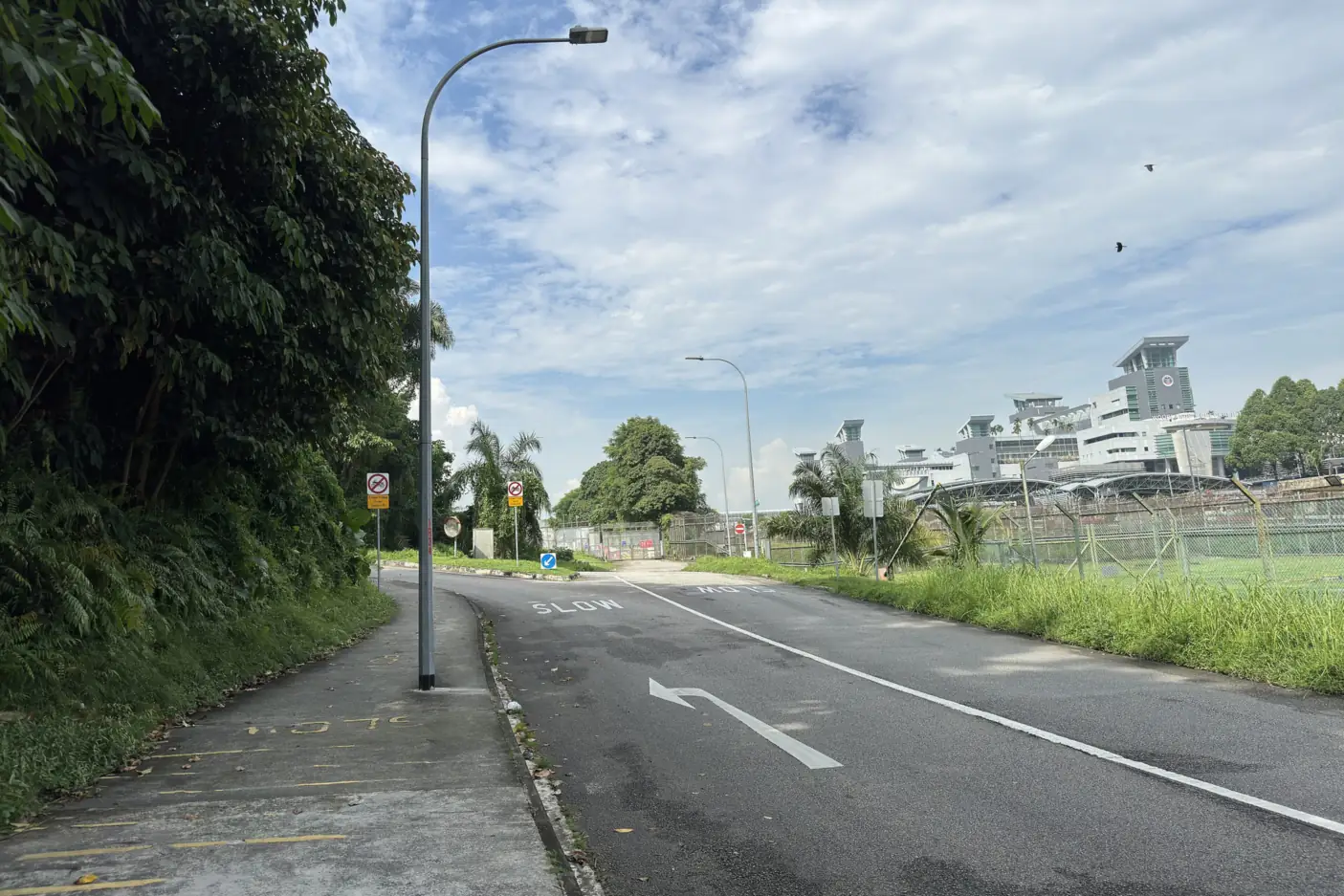
Most new homes are built on land that used to be something else. The question for families is not whether there was a trade-off, but whether the plan handles it well.
My own view is simple. Homes for families are needed, and green space is part of what makes a home worth living in. The width of those green strips is a fair question to raise during the feedback window. If you live nearby and care about it, the form is open until Dec 7.
How is the north being reshaped around this site?
This plot does not sit in a quiet corner. The study itself noted that animals in the area have been exposed to ongoing construction from the redevelopment of Woodlands Checkpoint and other nearby works. The BKE extension on the site’s edge is part of the same checkpoint expansion.
The biggest near-term change is the RTS Link. It will connect Woodlands North station to Bukit Chagar in Johor Bahru, with a journey of about five minutes. Each train can carry more than 600 passengers, and the line can serve up to 10,000 passengers per hour per direction. It is expected to open in February 2027, according to a joint statement by RTS Operations, Singapore’s Land Transport Authority and Malaysia’s Ministry of Transport on Oct 2. More than 600 personnel from agencies including the police, ICA and SCDF took part in an emergency exercise at the station on Nov 11 and 12, ahead of the opening.
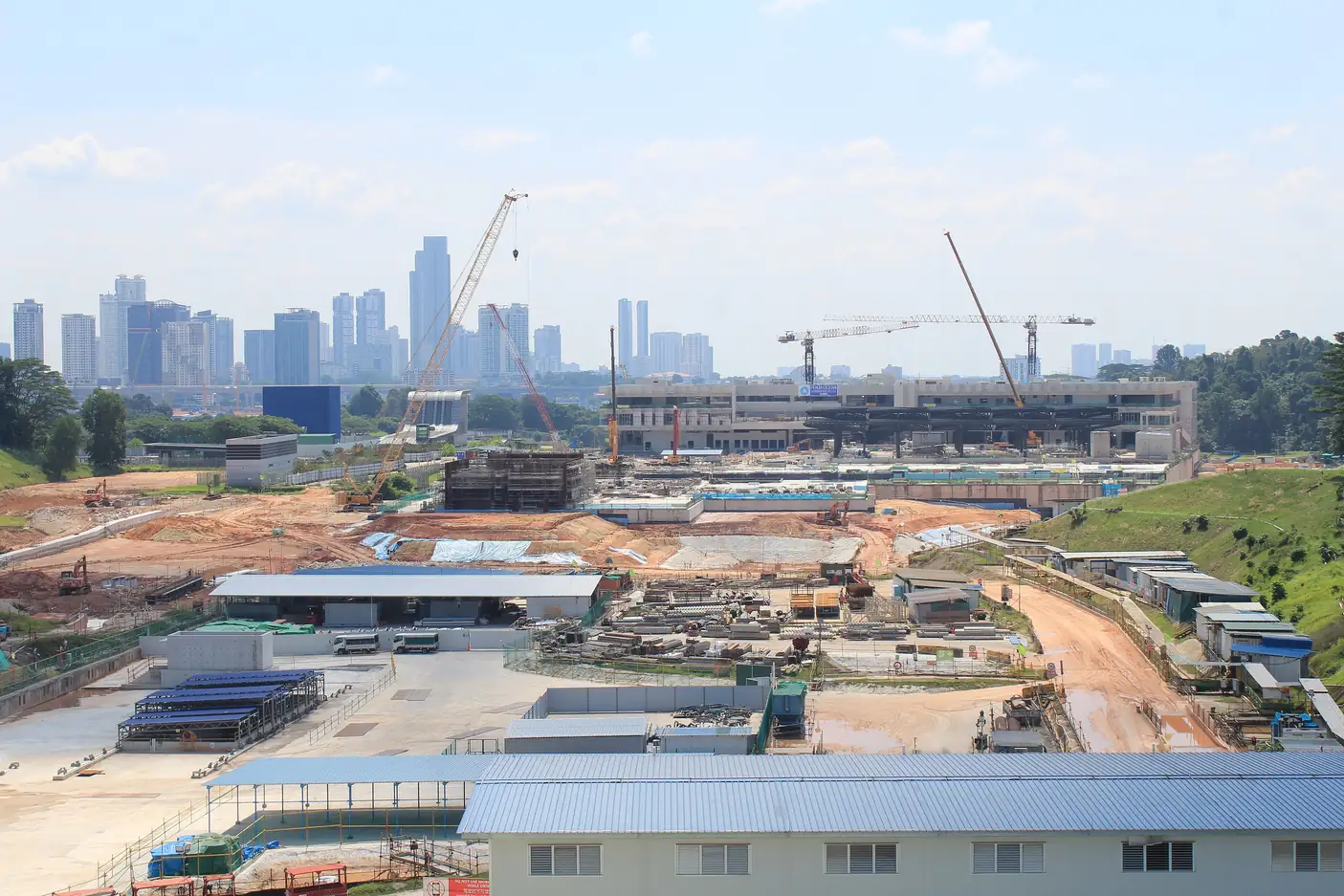
For families with work, school or relatives across the Causeway, a five-minute crossing is a real change to daily life. I would be careful, though, about treating it as a guaranteed boost to home values. Transport upgrades help, but the price of any one flat depends on many things: its lease, its condition, its block, and how much new supply comes up nearby. A new housing estate next to Marsiling Park is part of that supply too. Even the RTS opening date has already moved, from December 2026 to February 2027, which is a reminder that timelines shift.
What changes for families already living in Woodlands and Marsiling?
If you already own a flat in Marsiling or Woodlands, there are two sides to this.
The first is supply. More homes nearby, whenever they come, will mean more choice for buyers in the area. When you eventually sell, you may be competing with newer flats down the road. That is not a reason to panic. It is a reason to keep your flat in good order and to think about what makes it different, such as its lease, its view or its distance to the MRT.
The second side is amenities. More residents usually mean more reason for services nearby, and the area is already seeing upgrades in getting around. On Nov 14, a new 16km stretch of cycling paths opened in Woodlands and Sembawang, linking to Admiralty, Marsiling, Woodlands and Woodlands South MRT stations. That brings the cycling paths and park connectors serving the area to 42km. The Land Transport Authority said it widened 35 pedestrian crossings, created eight bicycle crossings and added about 500 bicycle parking spaces at Admiralty and Marsiling MRT stations.
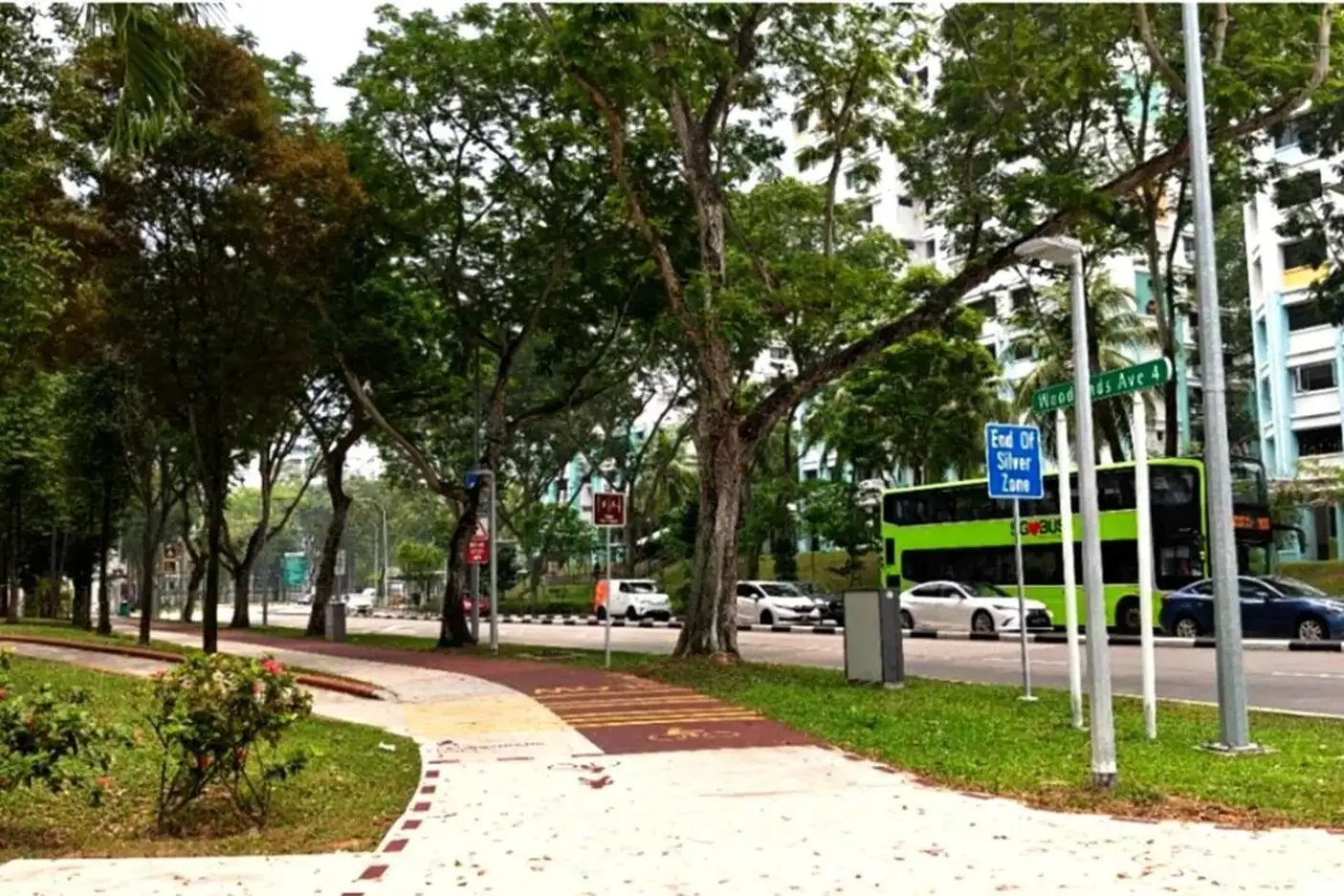
LTA said the paths improve access to places like Woodlands Civic Centre, Causeway Point, Kampung Admiralty, Woodlands Health Campus and Woodlands Waterfront Park. From 2027, about 9km more will follow, including links to the RTS Link station. For a family with a teenager at Republic Polytechnic, or grandparents with appointments at Woodlands Health Campus, these are the everyday details that make a town easier to live in.
A flat is not only its four walls. It is the walk to the train, the ride to school and the park at the end of the road.
Should buyers wait for flats on this site?
My answer is no, not on what we know today. There is no launch date, no unit count and no flat mix for this site. Planning your family’s next move around a project that has not been announced means waiting on something you cannot see.
If you are drawn to the north, look at what is available now, and judge it on the things that will matter for the next ten years: the commute, the schools, the space for parents if they move in, and the monthly payments you can carry. Then treat the Marsiling Park plan as one more piece of information about how the area will grow. My earlier note on November’s BTO exercise covers what was offered in the latest round.
For owners, the useful habit is the same one I suggest everywhere. Know what is zoned around you, follow the official announcements, and do not let a single headline decide a sale or a purchase.
If you live in Woodlands or Marsiling and want a second view on how these changes fit your family’s plans, I am always glad to talk it through.
The numbers
| Site | Partly forested land next to Marsiling Park, Woodlands; zoned residential since 1998 |
| Boundaries | Woodlands Avenue 3, the BKE, and an upcoming BKE extension that is part of plans to expand Woodlands Checkpoint |
| Environmental study | By Aecom Singapore; 14.4ha study area, about 46% secondary forest |
| Conservation decision | HDB (Nov 10): no plans to set aside any part of the land for conservation |
| Mangroves | About 1.12ha in Marsiling Park, high ecological value, outside the proposed development area |
| Wildlife and plants | 154 animal species (15 of conservation significance) and 156 plant species (11 of conservation significance) in the study area |
| Public feedback | Via HDB's online form until Dec 7 |
| Units, flat types, launch date | Not announced |
| RTS Link | Expected to open February 2027; Woodlands North to Bukit Chagar in about five minutes; more than 600 passengers per train |
| Woodlands and Sembawang cycling paths | 42km after a new 16km stretch; about 9km more from 2027, including links to the RTS Link station |
Questions families ask
Where is the new Woodlands housing estate near Marsiling Park?
The Straits Times reported that the plot is next to Marsiling Park and is bounded by Woodlands Avenue 3, the Bukit Timah Expressway (BKE) and an upcoming BKE extension that is part of plans to expand Woodlands Checkpoint. The area has been zoned for residential use since 1998.
Will any of the forest be kept?
HDB said there are no plans to set aside any part of the land for conservation. The Aecom study found that the part of the housing area with moderate ecological value has a low density of plants of significant conservation value, a relatively small area of native-dominated forest, and a central location that would leave it isolated if kept. The 1.12ha of mangroves in Marsiling Park, rated of high ecological value, sit outside the development area.
How many flats will be built, and when?
That has not been announced. The reports say only that the land could make way for housing developments in the coming years. There are no published unit numbers, flat types, launch dates or prices for this site, so treat any figure you see elsewhere with caution until HDB announces it.
Can the public give feedback on the plan?
Yes. HDB has published the environmental study on its website, and the public can give feedback through an online form until Dec 7.
Will the RTS Link raise property values in Woodlands?
No one can promise that. The RTS Link is expected to open in February 2027 and will connect Woodlands North station to Bukit Chagar in Johor Bahru in about five minutes. That is a real convenience for families who travel across the Causeway, but how it affects any one home's value depends on many things, including the new supply coming to the area.
Reporting referenced: The Straits Times. Analysis and views are Adrian Lim's own.
Talking it through beats reading about it.
If this story touches a decision your family is weighing, send Adrian a message. A first conversation costs nothing and commits you to nothing.
WhatsApp Adrian · +65 8183 2333More from Insights
Nearly 8,000 BTO Flats and a Higher Income Ceiling: How Young Couples Should Choose
More couples now qualify, so more couples will compete. Here is how to weigh a shorter wait, a resale flat or an EC, and what the extra supply could mean for resale prices.
A Record EC Land Bid Under Tighter Rules: What Canberra Drive Tells Buyers
The new EC rules were meant to cool developer bids. The first tender under them drew the biggest crowd in years and a record price. Here is how a family should read that.
HDB Resale Prices Dip for a Third Straight Quarter: How to Read It
Million-dollar flats make the news. The index tells a quieter story: three soft quarters, steady buying and more supply on the way.